Granola is very popular as a delicious and flavorful breakfast or snack. However, people with celiac disease or gluten intolerance are unsure about the gluten content in granola. So, is granola gluten-free? As more consumers seek clean, natural food alternatives, understanding what’s actually in your granola is crucial. This guide explains the basics of what gluten is, how granola is made, and how to choose products that are truly safe and high-quality. Whether you’re looking for healthier alternatives or managing a medical condition, clarity is key.
Understanding Gluten and Its Sources
Granola is made from whole grains or plant-based ingredients and is often found in processed foods, particularly cereals and snacks that appear healthy on the surface. Granola is a reasonably healthy food when consumed in moderation and is available in gluten-free options. If gluten-free options are not available, granola is not recommended for individuals with gluten intolerance or celiac disease, as it can cause discomfort and long-term health issues.
The production environment can also pose a risk of cross-contamination. That is why choosing products that are clearly labelled gluten-free and produced in controlled facilities is very important. When it comes to granola, the correct information helps you avoid unexpected triggers.
What’s Actually in Granola?
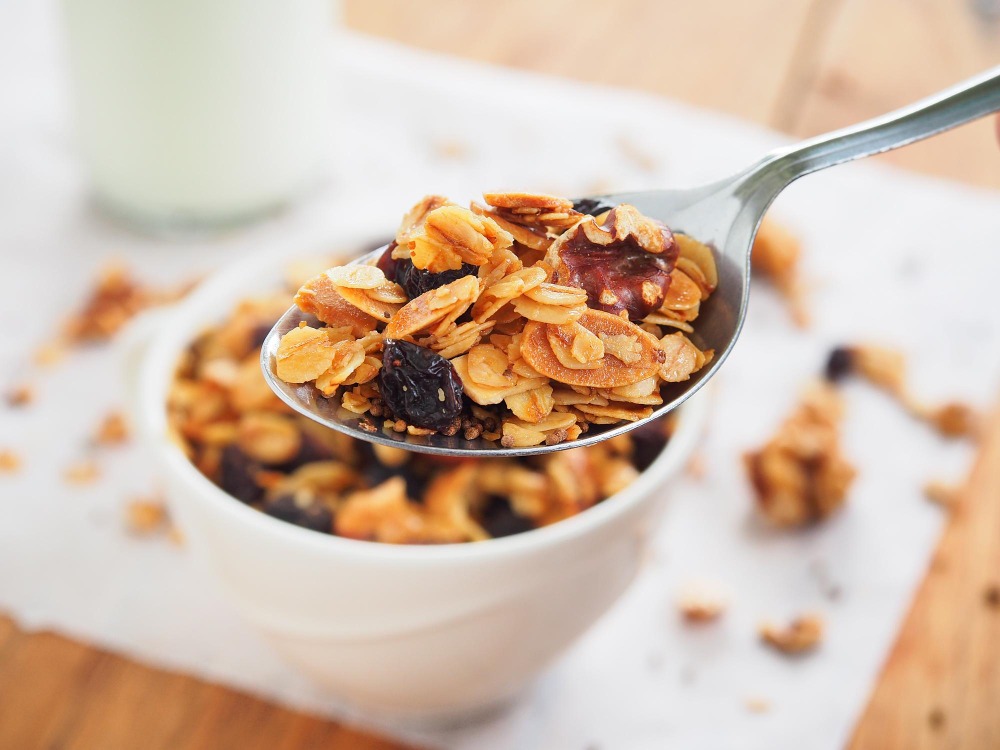
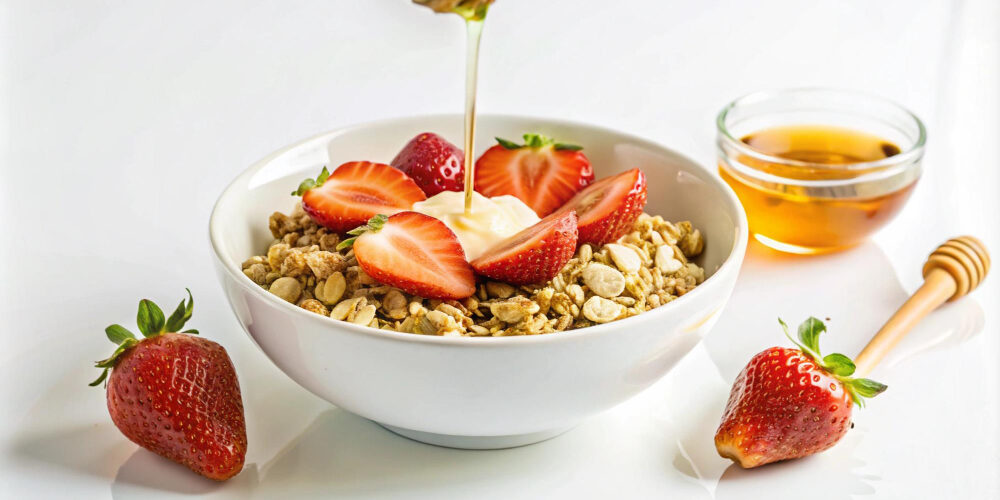
The ingredients in granola can vary, but most are made with grains, oils, rolled oats, and natural sugar alternatives such as honey or maple syrup to add flavour. Because it is made from plant-based ingredients, granola is a nutrient-rich food containing protein, fibre, healthy fats, and vitamins. However, many granola brands add ingredients such as refined sugar and unhealthy, cheap seed oils, which are not suitable for regular consumption.
Therefore, even if a product looks clean, it may not be suitable for someone who needs to avoid gluten. The best granola uses whole, recognisable ingredients without unnecessary fillers. When choosing a mix, look for brands that are committed to transparency, simplicity, and high nutritional value.
Is Granola Gluten-Free?
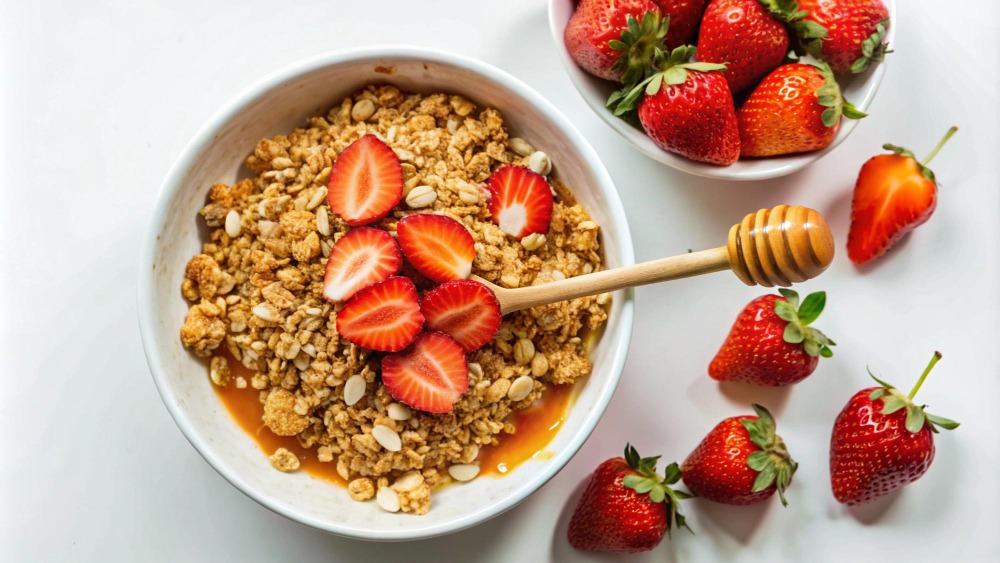
Is granola gluten-free? Not all granola is gluten-free, even when it appears to be. Some brands use ingredients that contain gluten, while others rely on oats processed in facilities where cross-contamination can occur. If you have coeliac disease or a gluten intolerance, it’s essential to check that the granola is clearly labelled gluten-free and produced under strict controls. Certified or independently tested options provide greater peace of mind. When chosen carefully, gluten-free granola can be a nourishing, satisfying option that fits comfortably into a balanced diet or a healthy breakfast.
How to Choose a Safe, Clean Gluten-Free Granola
The important way to determine if granola is gluten-free and safe to consume is to check the ingredient list or label. Although it takes a little time, reading the ingredient list can help you determine whether a product is healthy. Various granolas are not gluten-free, contain excessive amounts of sweeteners, or use preservatives that can cause inflammation. Choosing granola that uses natural sweeteners, offers gluten-free options, and uses plant-based, clean ingredients is a wise choice to ensure your body gets the healthy, adequate nutrition it needs.
Try Oats My Goodness: Clean, Gluten-Free Granola
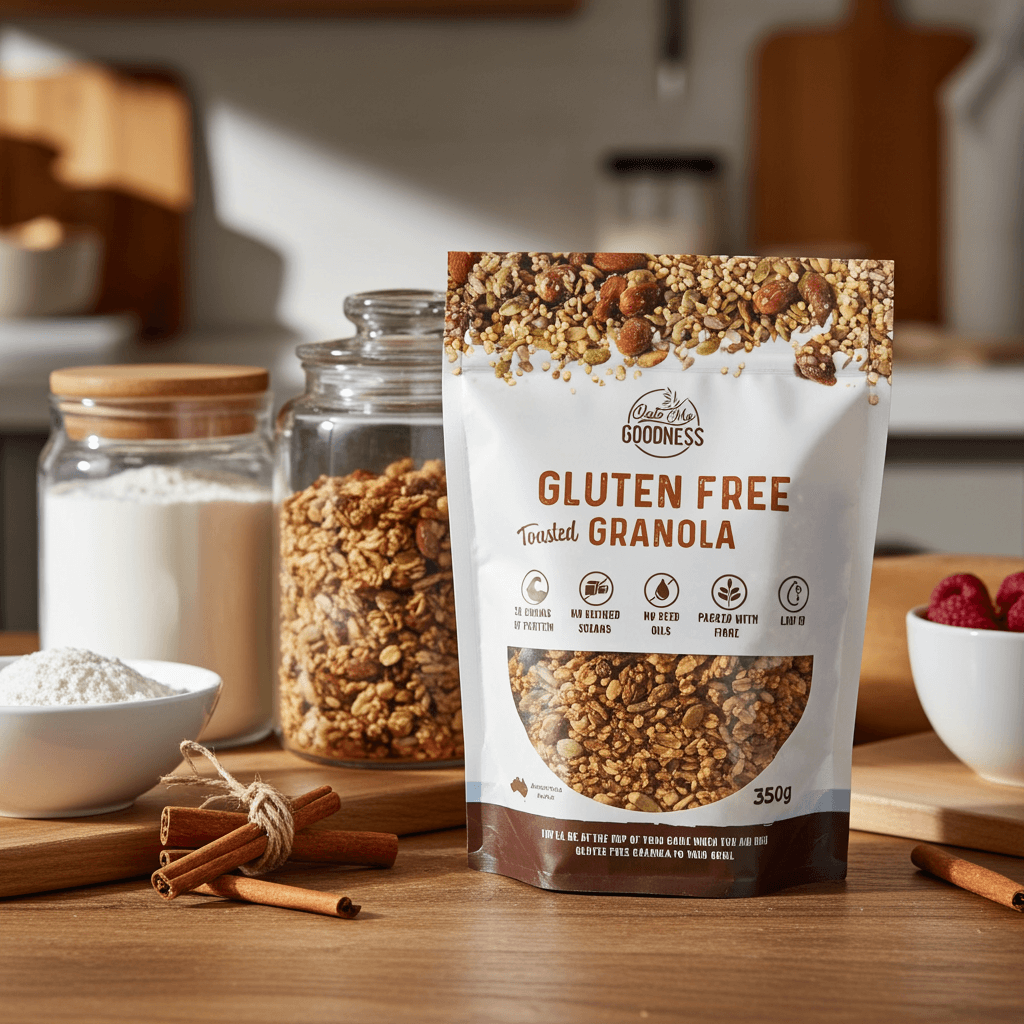
Is Granola gluten-free? Not all granola brands or products are gluten-free, so you need to know which brands claim to have gluten-free products and which do not. In this case, Oats My Goodness granola is the best choice because it not only offers gluten-free granola but is also rich in nutrients that nourish the body.
For example, this granola is very high in protein, completely plant-based, clean, and provides a high fibre intake to support healthy digestion. In addition, it offers lower carbohydrate content and uses natural sweeteners, making it a very healthy and safe product for daily consumption. You can eat this granola for breakfast or as a snack, or mix it with your favourite foods to add a crunchy texture or richer flavour. Locally made and carefully processed, it is a reliable choice when you want food that tastes good and makes you feel better.
Frequently Asked Questions
Can you have granola if you have celiac disease?
Yes, provided the granola is certified or clearly labelled gluten-free. Many supermarket options aren’t suitable due to hidden ingredients or cross-contamination during manufacturing. Choosing a trusted brand that meets strict gluten-free standards is essential for safety and comfort.
What’s the difference between wheat-free and gluten-free granola?
Wheat-free products exclude wheat but may still contain other gluten-containing ingredients. Gluten-free granola is produced without gluten and is handled under strict controls. Anyone with coeliac disease or gluten intolerance should always choose gluten-free, not just wheat-free.
Is homemade granola gluten-free?
It can be, but only if you use gluten-free ingredients. Oats and flavourings must come from safe, controlled sources. If you’re highly sensitive, homemade granola can be risky unless every ingredient is sourced and handled with care.
Conclusion
Is granola gluten-free? Granola can be a nourishing, high-energy breakfast or snack, provided it’s genuinely gluten-free and made with clean ingredients. Avoiding preservatives, refined sugars, and seed oils ensures your body receives real nourishment rather than empty fillers. With the right blend, granola becomes a reliable option for sustained energy, digestive support, and everyday convenience.
If you’re seeking a trustworthy gluten-free choice made with integrity and transparency, explore the Oats My Goodness granola range. Discover clean, gluten-free granola at Oats My Goodness today.