
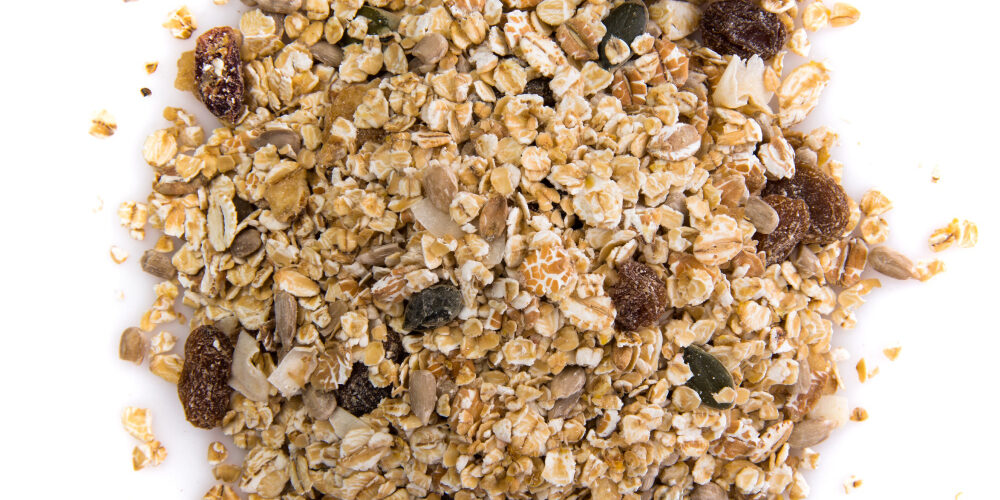
Is muesli healthy? Muesli is often labelled a healthy breakfast, but the reality is more nuanced. Some mueslis genuinely nourish your body, while others quietly load you up with sugar, refined oils and unnecessary additives. The difference comes down to ingredient quality, balance and how it is made. When muesli is built from real, whole foods, it can be a powerful way to start the day.
When it is over-processed, it becomes just another sweet cereal. Therefore, understanding what you are eating matters, especially if you want sustained energy, better digestion and food that actually supports your health.
What Is Muesli and Why It’s Gaining Popularity
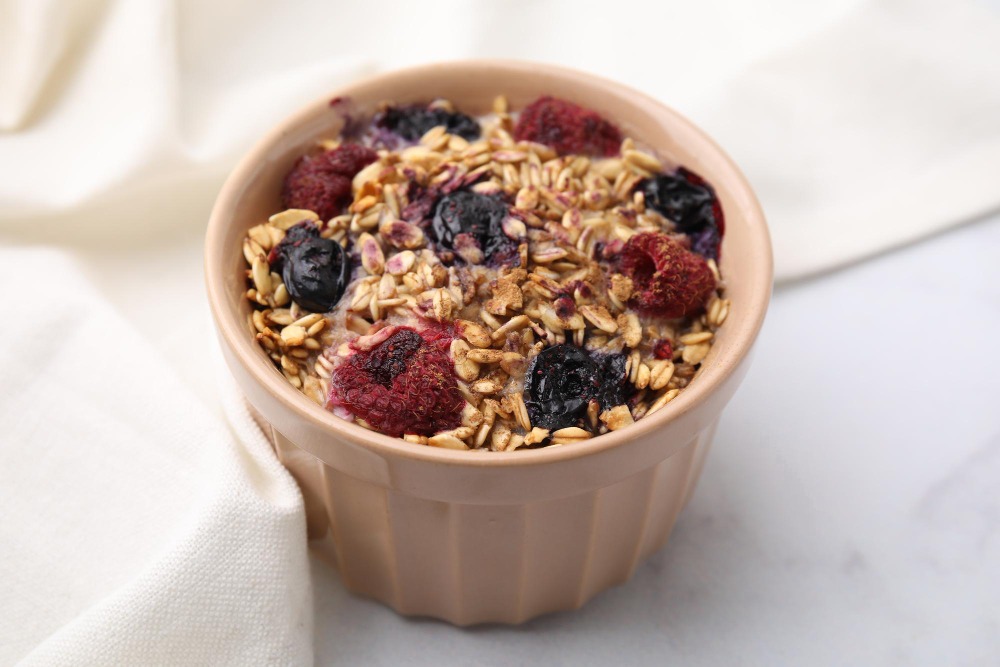
Muesli can be defined as a superfood or nutrient-dense food because it is a combination of several healthy ingredients, such as nuts, hemp seeds, sesame seeds, almonds and rolled oats, that nourish the body. Muesli is also a popular breakfast option because it can be creatively prepared, for example, as a topping for overnight oats or oatmeal, baked overnight oats, or eaten raw.
Moreover, it is a plant-based food, making it a meal option that is not only delicious and satisfyingly crunchy but also healthy and safe to eat anytime. From schoolchildren to shift workers, muesli is suitable for breakfast and provides nutritional benefits without being complicated or time-consuming.
Is Muesli Healthy? Let’s Dive Into the Facts!
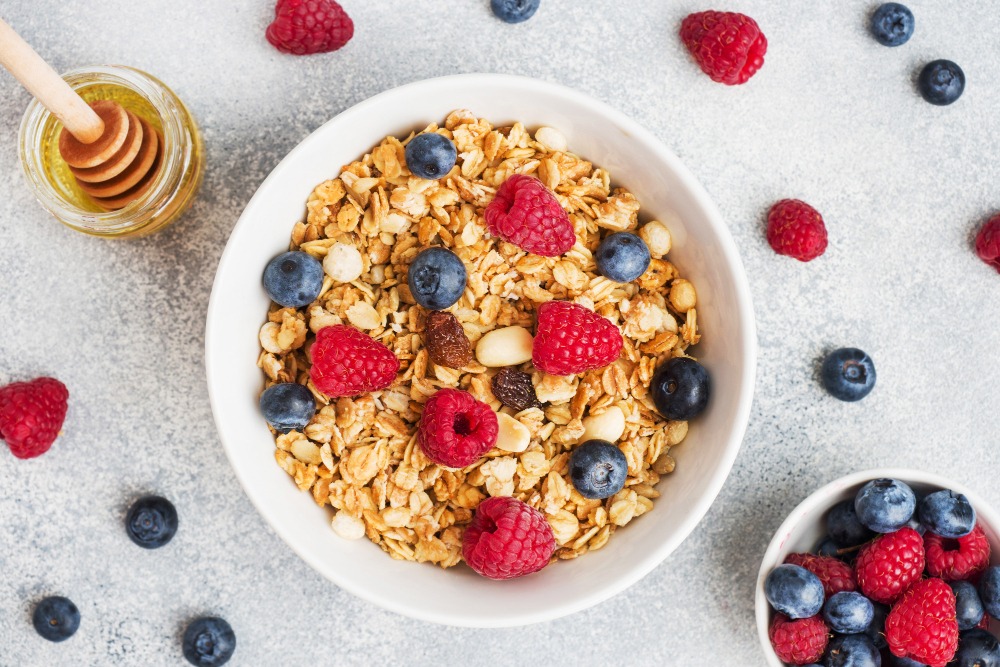
Muesli can be very healthy, but only if it is done properly. A good muesli provides fibre for digestion, protein for fullness and slow-release carbohydrates for steady energy. The issue is that many supermarket options rely on added sugars, preservatives and refined seed oils to improve taste and shelf life. These additions can work against your health goals. A genuinely healthy muesli focuses on clean ingredients you recognise, sensible sweetness from natural sources and a balanced nutritional profile that supports your body rather than confusing it.
Health Benefits of Muesli
When made with intention, muesli delivers real benefits that go beyond convenience.
Rich in Essential Nutrients
One of the benefits of consuming muesli is its high nutritional value. This is the main reason muesli has become one of the most popular breakfast options. Muesli offers vitamin B from whole oats, which helps provide an energy boost for daily activities, and vitamins such as magnesium and zinc from nuts to support muscle function. Moreover, because the ingredients are minimally processed, these nutrients remain intact and available.
Promotes Heart Health
Muesli supports heart health through its natural fibre and healthy fats. Soluble fibre from oats helps manage cholesterol levels, while nuts and seeds provide fats that support healthy blood vessels and reduce inflammation. Starting the day with a fibre-rich, plant-based breakfast has been linked to better long-term cardiovascular outcomes, particularly when sugar and refined oils are kept out of the bowl.
Health Benefits of Seeds in Muesli
Seeds, one of the ingredients in muesli, play a crucial role in providing a more complete nutritional profile. Sunflower seeds, chia seeds, flax seeds, and pumpkin seeds offer numerous benefits for the body by feeding gut bacteria and supporting digestion. Moreover, consuming seeds can improve brain health, helping people focus on their daily activities.
Health Benefits of Oats in Muesli
Oats also provide many nutrients, making muesli a healthy food to incorporate into your lifestyle. Rolled oats are the foundation of good muesli because they provide high fibre and minerals. Moreover, they are suitable for people with gluten intolerance or for those looking to reduce their calorie intake. This is because consuming muesli can help you feel full longer and reduce cravings for sweet foods.
Potential Downsides of Muesli
Muesli only becomes a problem when shortcuts are taken with ingredients and portions.
High Sugar Content in Some Variants
Many commercial mueslis contain more sugar than people realise. Sweeteners such as syrups, concentrated fruit juice, and dried fruit can raise sugar levels too high. This can lead to energy crashes and increased cravings later in the day. Choosing low-sugar muesli made with whole ingredients helps avoid these issues and supports more stable blood sugar throughout the morning.
Portion Control
Muesli is nutrient-dense, which means portion size matters. It is easy to over-serve, especially when eating straight from the packet. A sensible portion, paired with yoghurt or plant milk, provides enough energy without extra calories. High fibre and protein naturally help regulate appetite, making it easier to feel satisfied without overeating.
Presence of Preservatives in Packaged Muesli
Not all packaged muesli uses clean, healthy ingredients; some products add preservatives to extend shelf life. However, it is best to avoid packaged muesli, as it does not add nutritional value and may interfere with gut health when consumed daily. To avoid unhealthy packaged muesli, choose options that claim to use clean ingredients with no preservatives or refined sugar, so you still get healthy nutrients.
What’s the Difference Between Muesli and Granola?
The key difference is how they are made. Muesli is usually raw or lightly mixed, keeping sugar low and nutrients intact. Granola is baked with oils and sweeteners, which give it a crunch but also increase its calorie and sugar content. While granola can be enjoyable, it behaves more like a treat. Muesli provides a slower energy release, more fibre, and a better balance for everyday eating, especially when made without refined sugar.
Enjoy Clean, Low-Sugar Muesli: Oats My Goodness, Wheat, Rye & Barley-Free
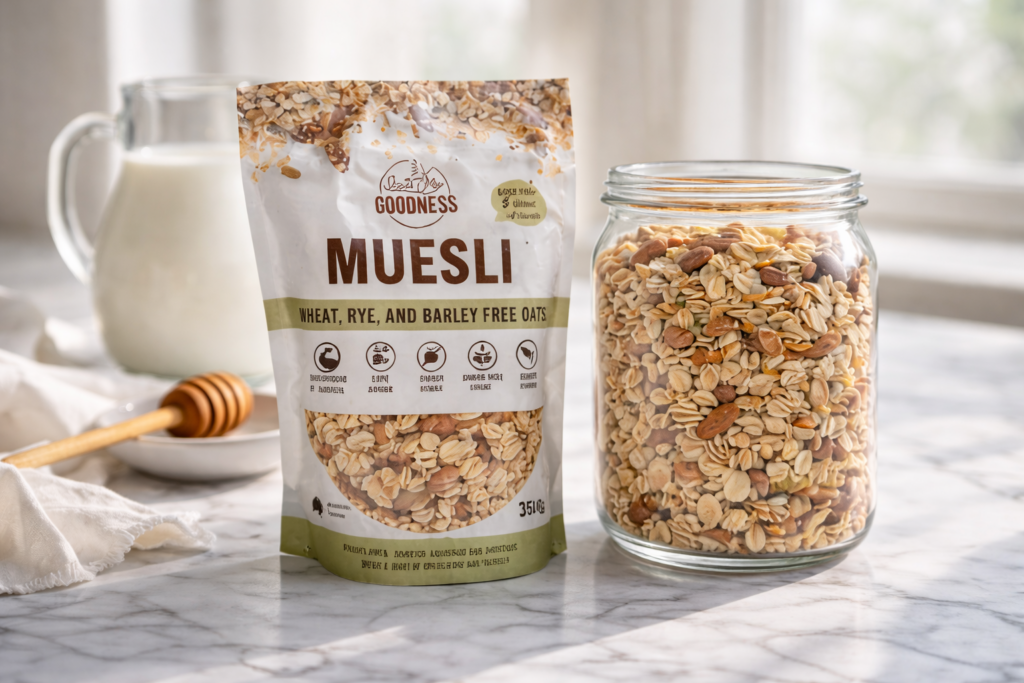
Oats My Goodness was created to bring muesli back to basics. Built on wheat, rye, and barley-free rolled oats, it is a perfect meal on the go, ready to eat and genuinely nourishing. Each serve delivers 20 grams of protein, one-third of your daily fibre, and absolutely no preservatives, seed oils, or refined sugars. It is suitable for mums, kids, tradies, shift workers and anyone who wants food that works without compromise.
Frequently Asked Questions
How do you eat muesli for the best health benefits?
Pair muesli with unsweetened yoghurt or plant milk and add fresh fruit if desired. Keep portions sensible and choose fibre and protein-rich blends. Soaking overnight can improve digestion and make it more convenient. This makes muesli ideal for breakfast on the go, pre- or post-workout, or as an easy option at home.
Is muesli better than cereal for weight loss?
In most cases, yes. Muesli made from whole ingredients supports fullness and steady energy, which helps reduce overeating. Many cereals are highly processed and high in sugar. Weight loss depends on quality and portion size, but a clean, low-sugar muesli is far more supportive than conventional boxed cereal.
Is it okay to eat muesli every day?
Yes. A well-balanced muesli can be enjoyed daily. It supports regular fibre intake, provides plant-based protein and offers reliable energy. Vary toppings and pairings to keep meals interesting. For busy households and active lifestyles, daily muesli is a practical and sustainable choice.
Conclusion
So, is muesli healthy? Muesli deserves its healthy reputation only when it is made with care. Clean ingredients, low sugar, and real nutrition matter most. When made with free oats, muesli becomes a reliable meal that supports digestion, energy, and long-term health. It fits modern life without cutting corners.
If you want a simple, honest, and effective breakfast, choose muesli that respects your body. Explore the range at Oats My Goodness and taste what real muesli is meant to be.